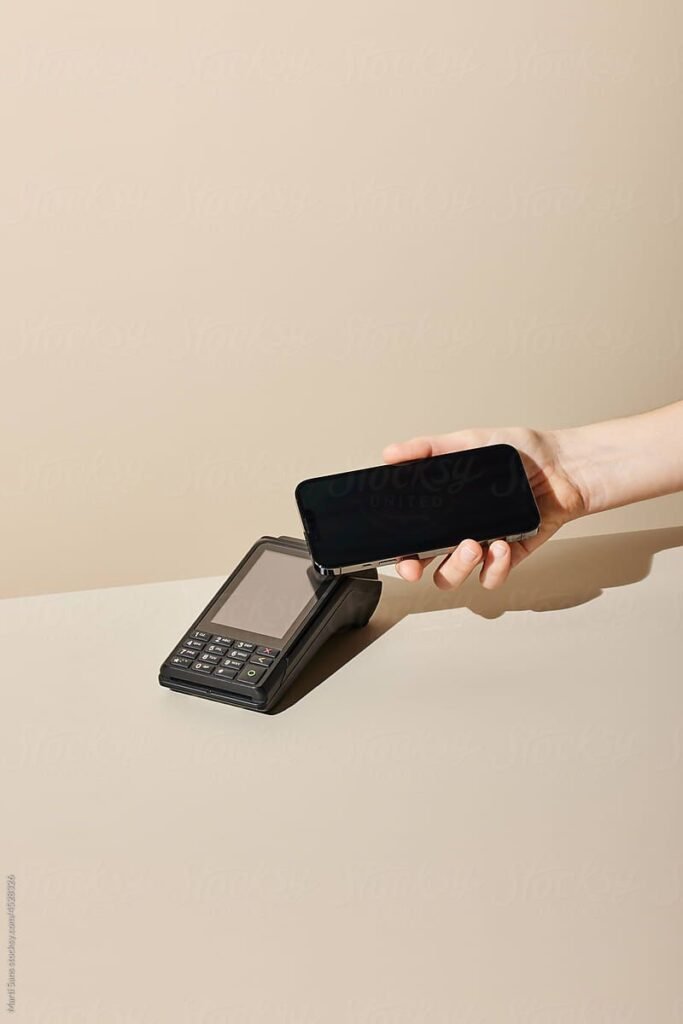
I’ve used credit cards for over 20 years.
I don’t remember the last time I paid interest on a personal card.
Not because I don’t spend money. Not because I have some extraordinary discipline that other women don’t. Because every dollar I charge to a card was already spoken for before I swiped it.
That’s the whole system. And it started with understanding one thing:
A credit card is a payment method. Not a source of money.
The Time-Blocking Parallel
Think about how you manage your day.
You know 9 to 5 is spoken for. You know getting to work by 9 means waking up at a certain hour. Everything else, the errands, the calls, the personal appointments, fits around the hours that are already claimed.
Money works the same way.
When your paycheck arrives, certain dollars are already claimed. Rent is spoken for. Utilities are spoken for. The $200 you allocated for groceries is spoken for. Those dollars have jobs before you touch them.
A credit card charge, in this system, is not a decision. It’s a confirmation. The decision was made when the dollar was allocated.
What This Looks Like in Practice
I don’t use my debit card at the grocery store. I use my credit card.
But the money was already allocated for groceries in my budget before I walked in. When the bill comes, I pay it, because those dollars were already assigned to that job.
Same with vacation. I fund travel in advance, in my YNAB allocation. When I book and charge it, the bill is paid in full when it comes due. Because the money already had that job months before I spent it.
The same rule applies to my business. I currently carry a business card balance, at 0% interest for one year. It will be paid before that year ends. Because the rule doesn’t change: if I don’t have it, I don’t buy it.
The Signs You’re Using Credit as Income
Most women don’t know they’re doing this. The signs are quiet:
- You charge it because you’ll figure it out when the bill comes.
- The bill comes and you figure out the minimum.
- The credit limit feels like money you have.
- You’ve used one card to cover another.
- You don’t know your current balance without checking.
None of these are character failures. They’re symptoms of money without a job. When dollars don’t have assignments, the credit card becomes a stopgap. And the credit card company profits from that gap, at 20 to 22 percent.
The shift isn’t about the card. It’s about what happens before the card comes out.
For the Woman Who Already Has the Balance
She’s reading this too. And she’s not here to feel worse.
That balance is spoken for, the same way your 9-to-5 is spoken for. Someone else holds it for now. And the goal is to reclaim that time.
The path forward: emergency fund first, for breathing room. Then block off a portion of income each week toward the balance. Not all of it. Not a drastic cut. A consistent amount, every week, until the time is yours again.
No shame. Just a new direction.
Where to Go Next
The Tiny Five is a free 5-minute daily practice, a starting point for giving every dollar a job before it leaves (The Tiny five Link Here)
The Tiny Steps Planner is where you speak for your dollars before the card comes out. (The TSTR Planner Link Here)
💚